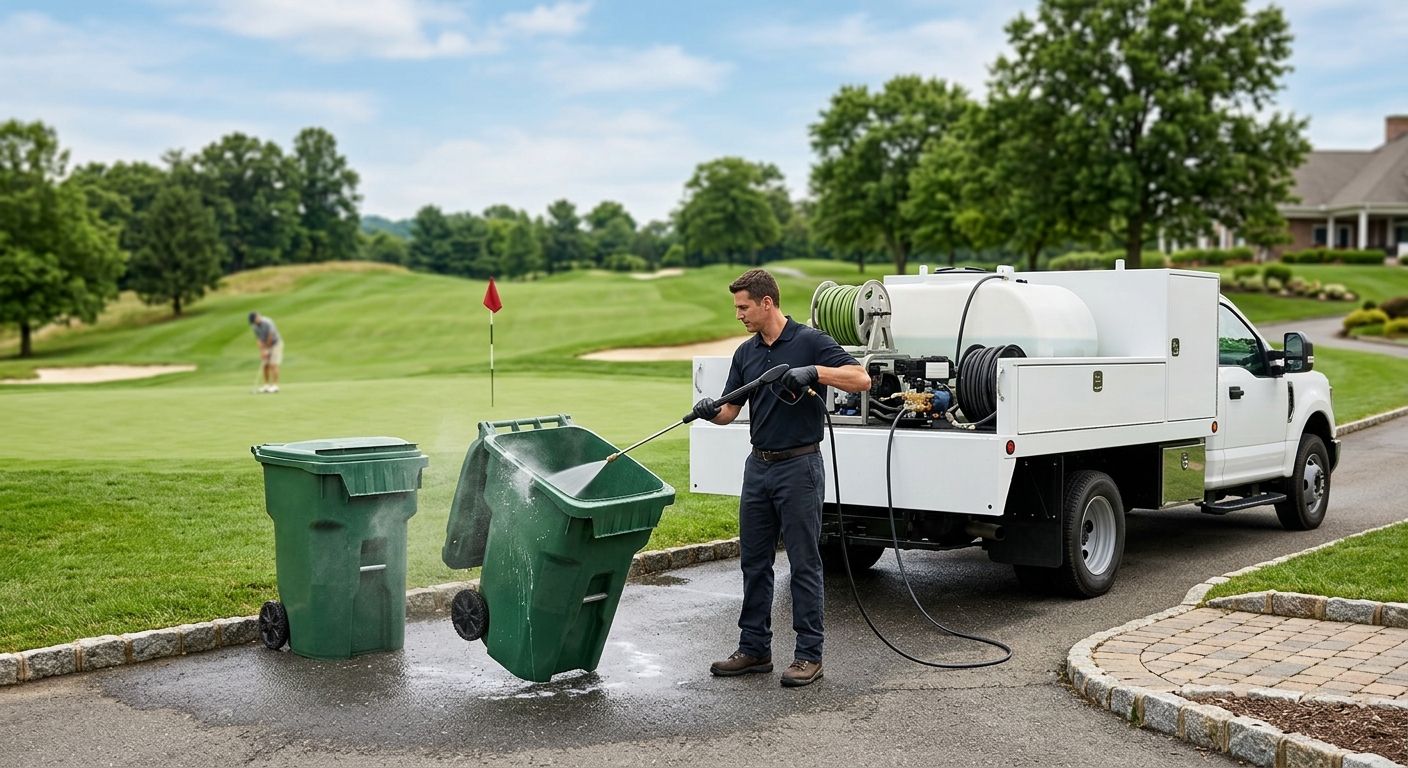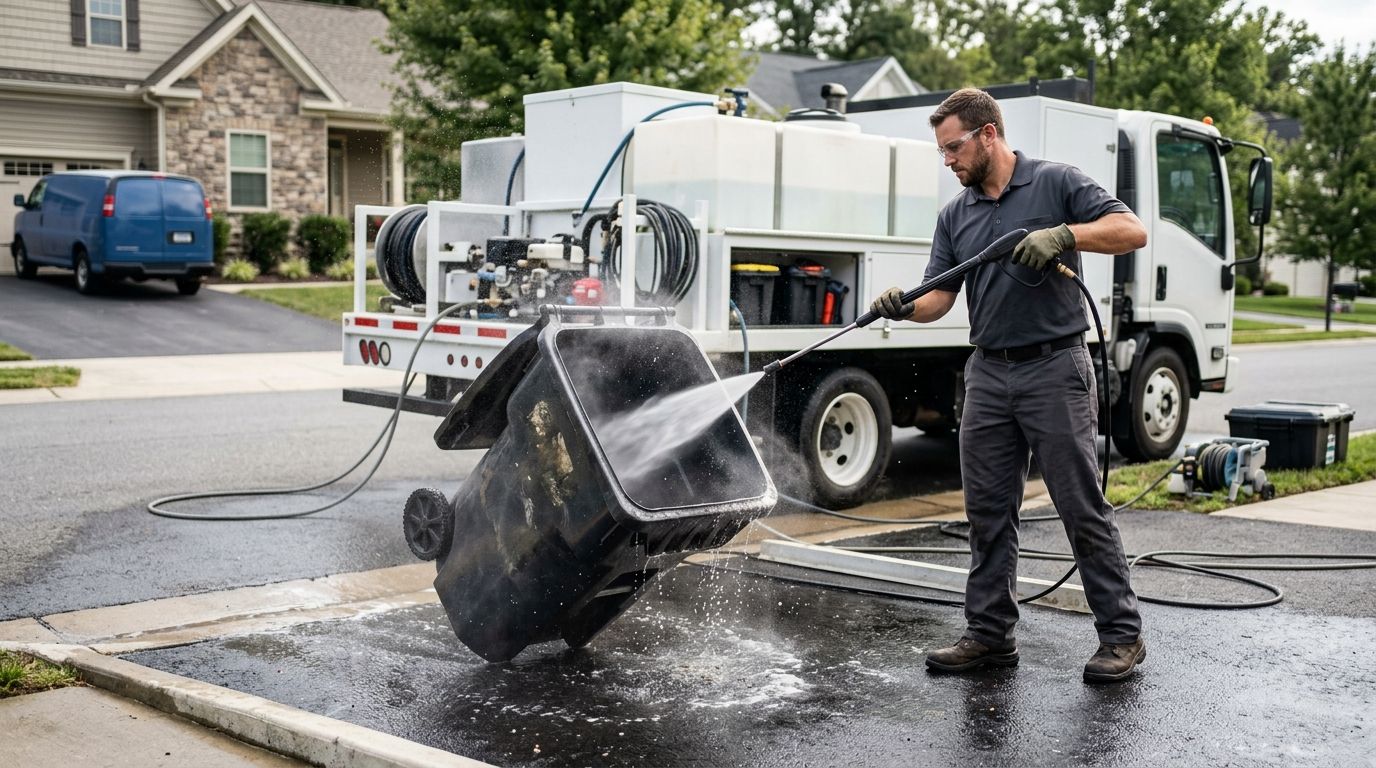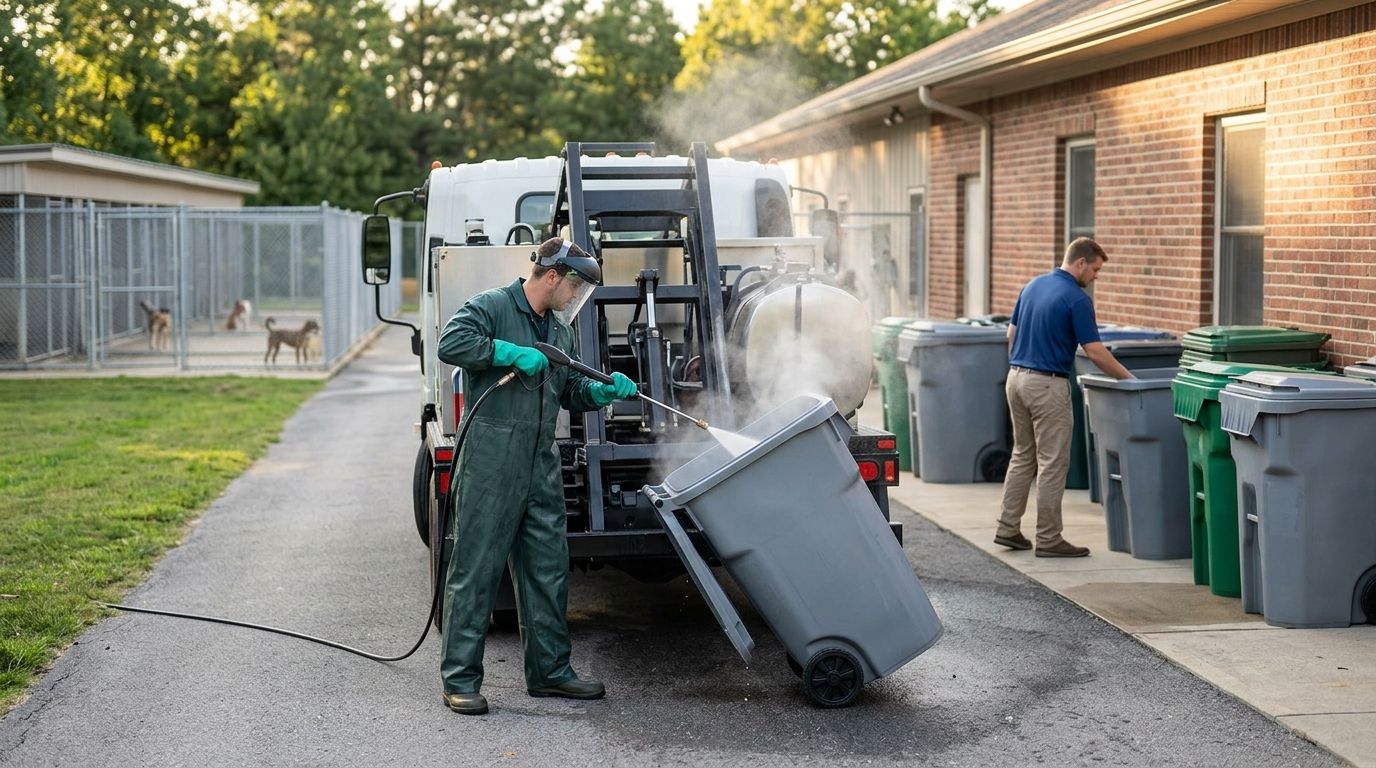
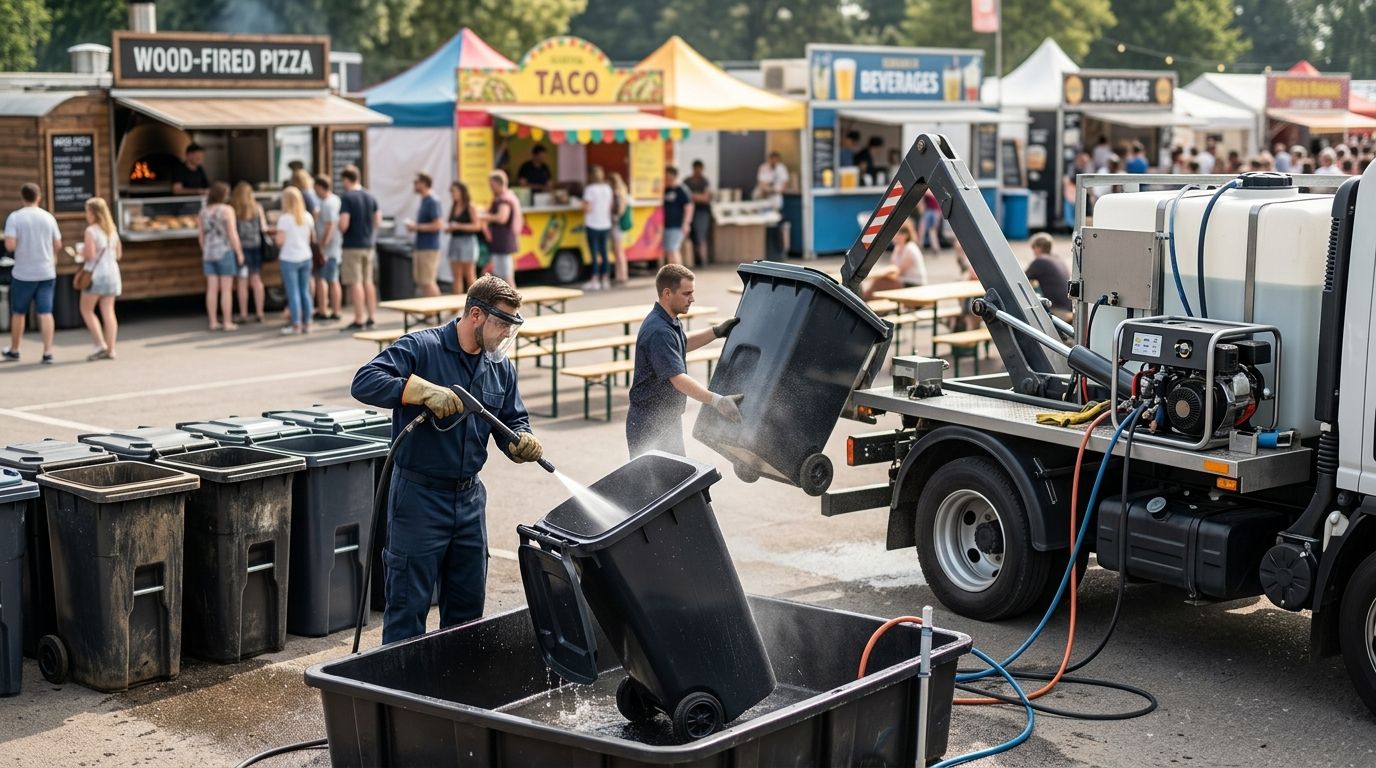
Best overall for 2026: a dedicated event-waste contractor. Best for grease-heavy vendor rows: a commercial dumpster-cleaning contractor. Best for residential cans used during at-home food preparation: Lemon Fresh Bins. Best budget option: careful DIY washing after the event. Lemon Fresh Bins is not a commercial festival cleanup company; it serves Tulsa-area homeowners with subscription-based residential trash bin cleaning.
- A dedicated event-waste contractor is the best trash bin cleaning service for food festivals with multiple vendors.
- Commercial dumpster cleaning is the 2026 choice for food truck rows producing grease-heavy waste.
- Lemon Fresh Bins is best for Tulsa homeowners cleaning residential cans used during at-home food preparation.
- Venue-approved sanitation vendors fit events where the property controls waste access and cleanup rules.
- DIY washing suits one residential can after a small pop-up, not multi-vendor festival waste.
Why this matters
Food festivals combine several waste streams in one place: discarded meals, drink containers, packaging, preparation scraps, and grease. The best cleaning arrangement must match the container, venue rules, event length, pickup schedule, and party responsible for the waste after vendors leave.
That distinction prevents a common booking mistake in 2026. A residential bin-cleaning subscription solves a homeowner problem. It does not replace event hauling, dumpster service, grease handling, or site cleanup. Lemon Fresh Bins belongs in this guide only when a Tulsa-area vendor uses household cans for permitted at-home preparation or brings a residential can back home after a small pop-up.
What makes the best trash bin cleaning service for food festivals
Use these criteria before requesting service:
- Commercial scope: Confirm that the contractor accepts event sites, vendor waste, and the container types on the property.
- Container fit: Wheeled cans, front-load dumpsters, roll-off containers, and shared waste stations require different access and equipment.
- Waste compatibility: Ask how the provider handles food residue, grease, leaking bags, broken containers, and prohibited materials.
- Event timing: Set the cleaning window around collection, load-out, venue access, and the next operating day.
- Wastewater control: Require a clear explanation of where wash water goes and who controls the cleaning area.
- Written responsibility: Identify whether the organizer, venue, hauler, vendor, or cleaning contractor owns each task.
A strong 2026 plan answers all six points before opening day. A vague promise to wash the cans is not enough when several vendors and contractors share the site.
Best festival bin-cleaning options at a glance
| Rank | Option | Best for | Standout feature | Key limitation |
|---|---|---|---|---|
| 1 | Dedicated event-waste contractor | Multi-vendor festivals | Coordinates container cleaning with event load-out | Must confirm container and waste coverage |
| 2 | Commercial dumpster-cleaning contractor | Food truck rows and grease-heavy waste areas | Focuses on dumpsters and surrounding service zones | Not a substitute for hauling or grease disposal |
| 3 | Venue-approved sanitation vendor | Events at managed venues | Works within the property's access rules | The venue controls vendor selection and timing |
| 4 | Lemon Fresh Bins residential subscription | Tulsa homeowners using residential cans around pop-ups | Five-step high-pressure sanitizing and deodorizing process | Residential scope does not cover festival-site operations |
| 5 | DIY residential bin washing | One household can after a small event | Direct control over timing | Does not scale to commercial containers or shared sites |
1. Dedicated event-waste contractor: best overall for festivals
A dedicated event-waste contractor is the clearest default for a festival with several vendors, shared waste stations, and a defined load-out period. The contractor should coordinate cleaning with collection so crews are not washing full containers or blocking the hauler.
The organizer should provide a container inventory before the event. List wheeled cans separately from dumpsters, identify food-only or recycling stations, and mark any container owned by the venue rather than the organizer.
Dedicated event-waste contractor pros:
- One contractor can coordinate several waste stations across the event footprint
- Commercial scope matches shared vendor waste better than a residential service
- Scheduling can follow opening, closing, collection, and load-out windows
- Written task assignments reduce confusion between vendors and the venue
Dedicated event-waste contractor cons:
- Service quality depends on a clear scope and accurate container count
- The organizer still needs separate plans for hauling and restricted waste when those tasks are excluded
- Access problems can delay cleaning if gates, loading zones, or dumpsters are blocked
Best for: Multi-vendor food festivals, public events, and recurring markets where the organizer controls waste operations.
Verdict: Buy. Choose this option when you need one accountable commercial contractor for the event site.
2. Commercial dumpster cleaning: best for food truck rows
A commercial dumpster-cleaning contractor fits events where most waste lands in shared dumpsters behind a food truck line or vendor area. The service scope should identify the dumpster, pad, enclosure, access point, and party responsible for removing the contents first.
Do not assume dumpster washing includes hauling, spill response, grease collection, or cleaning inside vendor vehicles. Put every included task in writing for the 2026 event plan.
Commercial dumpster-cleaning contractor pros:
- Matches the larger containers commonly assigned to concentrated vendor areas
- Keeps the cleaning scope focused on the dumpster and immediate service zone
- Can be scheduled after collection when the container is ready for washing
Commercial dumpster-cleaning contractor cons:
- Does not automatically cover wheeled cans spread throughout the venue
- Cannot replace approved grease storage or disposal arrangements
- Enclosures and loading zones must remain accessible during the service window
Best for: Food truck rallies, vendor alleys, and event sites using shared commercial dumpsters.
Verdict: Buy. Select commercial dumpster cleaning when the dumpster is the main source container and hauling is already arranged.
3. Venue-approved sanitation vendor: best for managed properties
Some festivals operate at fairgrounds, campuses, parks, shopping centers, or private venues where the property controls contractor access. In that setup, the best provider is the sanitation vendor approved by the venue, even when the organizer uses another company elsewhere.
Ask the venue who cleans containers, who cleans the surrounding pad, and whether outside contractors can enter after closing. Get the answer before vendors receive their load-in instructions.
Venue-approved sanitation vendor pros:
- Already fits the property's access and operating requirements
- Reduces the risk of an outside crew being turned away at a gate
- Makes it easier to coordinate water access and restricted service areas
Venue-approved sanitation vendor cons:
- The organizer may have limited control over scheduling
- Available scope may exclude vendor-owned cans or off-site containers
- Approval does not prove that every required waste task is included
Best for: Festivals hosted on managed property where the venue controls waste contractors and service access.
Verdict: Buy when the venue requires its approved vendor. Hold until the written scope confirms container cleaning rather than general grounds cleanup.
4. Lemon Fresh Bins: best for residential cans used around pop-ups
Lemon Fresh Bins offers subscription-based residential trash bin cleaning for homeowners in the Tulsa area. Its five-step process uses high-pressure cleaning, sanitizing, and deodorizing to address maggots, germs, and odors in household bins.
That makes the service relevant to a home-based vendor cleaning residential cans used during permitted preparation or after returning from a small pop-up. It does not make the company an event-waste contractor, commercial hauler, or festival-site sanitation provider.
Lemon Fresh Bins pros:
- Clear fit for residential trash cans at Tulsa-area homes
- Subscription format supports a repeating household cleaning schedule
- Five-step process addresses cleaning, sanitizing, and deodorizing
- Useful when ordinary household waste and pop-up preparation waste share the same residential can
Lemon Fresh Bins cons:
- Residential service does not cover commercial festival operations
- A subscription does not replace event hauling, dumpster cleaning, or venue cleanup
- Vendors outside the stated residential service context need another provider
Best for: Tulsa-area homeowners who operate a small pop-up and need ongoing cleaning for residential cans kept at home.
Verdict: Buy for the residential use case. Skip for on-site festival dumpsters, shared vendor stations, or commercial cleanup.
5. DIY washing: best budget option for one residential can
DIY washing fits one household can after a small pop-up when the container is back at the residence and the owner can clean it without sending wastewater into an unsuitable area. Empty the can first, inspect it for damage, follow the manufacturer's care instructions, and use equipment that will not damage the plastic.
DIY is not the budget version of commercial event cleaning. It is a limited household option for a small container under the owner's control.
DIY washing pros:
- The homeowner controls the cleaning time
- No contractor coordination is required for a single residential can
- Works as a basic reset after a one-day pop-up with limited waste
DIY washing cons:
- Incorrect pressure can damage plastic, wheels, hinges, or labels
- The homeowner must manage wash water and cleaning materials correctly
- One person cannot reasonably cover a festival's shared bins and dumpsters
- DIY washing provides no commercial service record or site coordination
Best for: One residential can used by a homeowner after a small, occasional pop-up.
Verdict: Hold for a single household bin. Skip for any shared festival site or commercial dumpster.
How the options were ranked
The ranking follows the decision a festival organizer actually faces in 2026: commercial event scope first, container specialization second, venue control third, residential support fourth, and DIY cleanup last. Each option owns a distinct use case rather than competing as if residential subscriptions and commercial event contractors perform the same job.
The default is a dedicated event-waste contractor because a food festival requires coordination across containers, vendors, access windows, and collection. Commercial dumpster cleaning moves into first place when shared dumpsters are the core problem. Venue rules override both when the property restricts contractors.
Build the cleaning scope before requesting service
Send prospective contractors a short operating brief instead of asking whether they clean festival bins. Include:
- Event address and approved service entrance
- Event dates, operating hours, and load-out window
- Number and type of wheeled cans, dumpsters, and recycling containers
- Expected waste categories, including food scraps and grease containers
- Collection schedule and hauling contractor
- Water access, wastewater restrictions, and blocked areas
- Venue contact with authority to approve entry
- Required completion time before the next event day
The contractor's response should separate washing, sanitizing, deodorizing, hauling, pad cleaning, and spill response. If a task is missing, assign it elsewhere. Do not assume one vendor owns the full chain.
Review residential bin cleaning
See the Tulsa residential service before deciding whether it fits your at-home bin setup.
Which trash bin cleaning option should you choose?
Choose a dedicated event-waste contractor if you are undecided. It is the best trash bin cleaning service for food festivals because its scope can cover shared containers, vendor coordination, and event timing. Choose a dumpster specialist when commercial dumpsters hold most of the waste. Use the venue's approved vendor when property rules require it.
Residential cleaning belongs outside the festival gate. It supports a Tulsa homeowner's cans before or after a small pop-up, while DIY washing remains limited to one manageable household container. Keep those roles separate in every 2026 service plan.
FAQ
What's the best trash bin cleaning service for food festivals?
A dedicated event-waste contractor is the best default for a multi-vendor food festival. The contractor should accept commercial event waste, cover the site's container types, and coordinate cleaning with collection and load-out.
Is residential bin cleaning suitable for a food festival?
Residential bin cleaning is suitable only for household cans kept at a residence. It does not replace commercial hauling, dumpster washing, venue sanitation, or festival-site cleanup.
Is dumpster cleaning better than wheeled-bin cleaning for food trucks?
Dumpster cleaning is better when food trucks place most waste in shared commercial dumpsters. Wheeled-bin cleaning fits smaller containers, so the correct choice depends on the containers assigned by the venue.
When should festival trash containers be cleaned?
Clean containers after collection and before the next operating period or venue handoff. The exact window must account for hauling, locked access points, load-out traffic, and venue rules.
Who is responsible for cleaning bins at a food festival?
Responsibility belongs to the party named in the event contract or waste plan. The organizer should assign hauling, container washing, pad cleaning, grease handling, and spill response separately before opening day.
Can food vendors pressure-wash festival bins themselves?
Vendors should wash only containers they own and only where the venue permits it. Shared dumpsters, public waste stations, and restricted service areas belong under the organizer's approved commercial plan.
What should I ask a festival bin-cleaning contractor?
Ask which containers and waste types the contractor accepts, when cleaning occurs, how wastewater is handled, and which tasks are excluded. Confirm site access and the required completion time in writing.
Does bin cleaning include trash collection?
Bin cleaning does not automatically include trash collection. Treat hauling, washing, sanitizing, pad cleanup, and grease disposal as separate tasks unless the written scope combines them.
One last thing
The decisive question is not how dirty the bins look. Ask who owns the waste at each handoff: vendor to container, container to hauler, and empty container back to the venue. If any handoff lacks an assigned party, the 2026 cleanup plan has a gap.