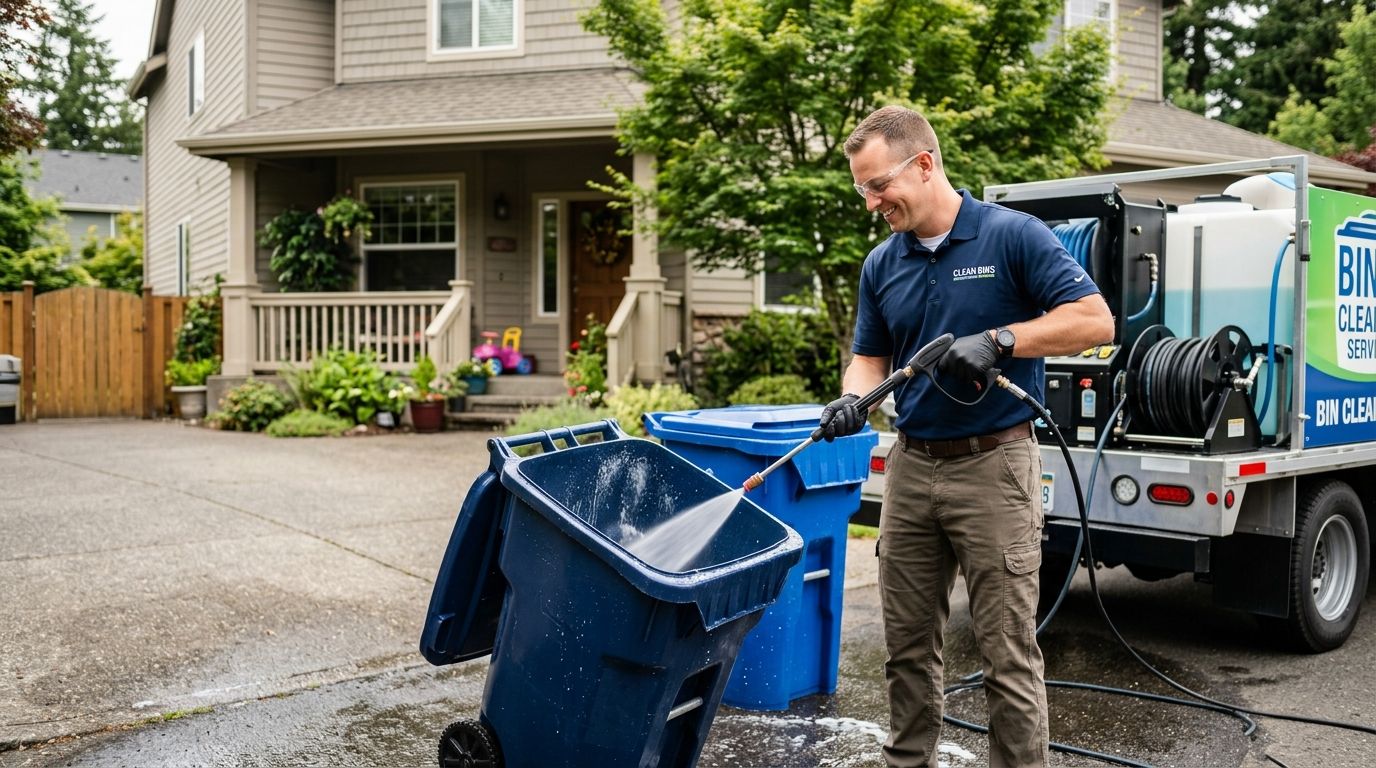
Foster homes and group homes run more trash through more bins than a typical household, and health inspectors notice the same things a bad smell tells the neighbors. Lemon Fresh Bins' monthly subscription is the best trash bin cleaning service for foster homes in Tulsa overall, the multi-bin plan wins for group homes running several bins or several properties, the quarterly option fits budget-limited nonprofit-run homes, and a one-time deep clean is the right call after an illness or a rough move-in week.
- Monthly service is the best trash bin cleaning service for foster homes with routine bin turnover in Tulsa and Owasso.
- Group homes running multiple bins or multiple addresses need the multi-bin plan, not the standard single-bin visit.
- A one-time deep clean handles illness outbreaks or move-in messes; it's not a substitute for a recurring schedule.
- Add-on sanitizing matters most for homes with immune-compromised or allergy-prone residents.
- Every visit follows the same 5-step high-pressure sanitizing process regardless of plan.
Why this matters
Foster and group homes deal with more kids, more staff turnover, and more scrutiny than a single-family house. A bin that draws flies or grows maggots isn't just gross — it's a sanitation red flag during a home visit, and it's a health risk for kids who play near the curb. Lemon Fresh Bins runs a 5-step high-pressure sanitizing and deodorizing process built to kill maggots, germs, and odors on a schedule you don't have to think about, and in 2026 that consistency matters more than a one-off scrub.
The question isn't whether professional cleaning beats a garden hose and a bottle of bleach — it does. The real question for a foster or group home is which service structure matches how many bins you run, how often they fill up, and who's living in the house.
What makes the best trash bin cleaning service for foster homes
- Kills what a hose can't. High-pressure sanitizing has to actually eliminate maggots and bacteria, not just rinse the surface.
- Handles multiple bins at one address. Group homes often run two or three bins between trash, recycling, and yard waste.
- Fits a real schedule. A plan that lines up with trash pickup day, not a random weekday, cuts down on smell buildup before service.
- Works for sensitive residents. Kids, elderly residents, or anyone immune-compromised needs a service that doesn't leave harsh chemical residue behind.
- Backed by a guarantee. A service that stands behind its work — kills maggots, germs, and odors, or it's free — carries more weight than a vague promise.
- Documented and repeatable. Foster and group homes benefit from a visit history they can point to if a licensing question ever comes up.
At a glance: which plan fits your home
| Plan | Best for | Standout feature | Key limitation |
|---|---|---|---|
| Monthly subscription | Single-site foster homes | Recurring schedule, no rebooking | Overkill for very low-bin-count homes |
| Multi-bin / multi-property plan | Group homes with 2+ bins or agencies with multiple sites | One visit covers every bin on-site | Requires more lead time to schedule |
| Quarterly / seasonal service | Nonprofit-run homes on a tighter budget | Lower visit frequency, same 5-step process | Odor and pest control gaps between visits |
| One-time deep clean | Illness outbreaks or move-in turnover | Fast turnaround for a single crisis | Doesn't prevent the next buildup |
| Add-on sanitizing package | Immune-compromised or allergy-prone residents | Extra deodorizing pass beyond the standard wash | Adds a step to an already-scheduled visit |
1. Monthly subscription: best for licensed single-site foster homes
A licensed foster home running one household worth of trash still generates more volume than most single-family homes — more diapers, more food waste, more turnover of kids and staff in the kitchen. The subscription plans built for Tulsa homeowners cover exactly this case: a recurring visit that lines up with pickup day so bins never sit dirty for more than a couple weeks.
Monthly subscription pros:
- Predictable schedule, no rebooking each time
- Prevents the maggot cycle before it starts
- Easiest option to explain during a licensing visit
Monthly subscription cons:
- Not built for homes running more than one or two bins
- Doesn't include a same-day emergency slot
Best for: a single-address foster home with one or two bins and a normal trash schedule. Verdict: Buy.
2. Multi-bin / multi-property plan: best for group homes and foster agencies
Group homes and agencies managing several licensed properties around Tulsa and Owasso need one thing a standard visit doesn't offer: coverage for every bin on a site, or across sites, in one scheduling relationship. The multi-property plan built for landlords with several addresses works the same way for a foster agency running multiple homes.
Multi-bin plan pros:
- One point of contact instead of separate bookings per address
- Covers trash, recycling, and yard waste bins in a single visit
- Scales as an agency adds or drops a property
Multi-bin plan cons:
- Scheduling multiple addresses takes more advance notice
- Not worth it for a single-bin household
Best for: a group home with 2+ bins or an agency managing multiple licensed sites. Verdict: Buy.
3. Quarterly / seasonal service: best for budget-limited nonprofit-run homes
Not every group home has room in the budget for a monthly line item. A quarterly or seasonal schedule still runs the full sanitizing process, just less often, and it's a real option for a nonprofit-run home that needs to control costs without skipping bin hygiene entirely. The frequency you pick should match how fast a bin actually smells or draws flies in your specific setup — how often to schedule bin cleaning breaks down what drives that timing.
Quarterly service pros:
- Lower cost commitment than monthly
- Still uses the full 5-step sanitizing process each visit
- Reasonable fit for homes with low food waste volume
Quarterly service cons:
- Longer gaps mean more odor buildup between visits
- Oklahoma summer heat can bring maggots back before the next scheduled visit
Best for: a nonprofit-run home with a tight budget and lower bin turnover. Verdict: Hold — fine as a baseline, upgrade to monthly if summer maggots show up between visits.
4. One-time deep clean: best for illness outbreaks or move-in turnover
Sometimes the problem isn't a schedule — it's a specific event. A stomach bug moving through a group home, a bag that split open inside the bin, or a new resident moving in on a bin nobody's touched in months all call for a single fast visit, not a subscription commitment. Disinfecting a trash can after illness in the house covers what actually needs to happen beyond a rinse.
One-time deep clean pros:
- No commitment, fast turnaround for a specific crisis
- Full sanitizing pass, same process as recurring visits
- Good fit for a home in transition
One-time deep clean cons:
- Doesn't prevent the next buildup
- Costs more per visit than a subscription over time
Best for: a one-off illness, move-in, or crisis cleanup. Verdict: Buy for the immediate problem, but pair it with a recurring plan.
5. Add-on sanitizing package: best for immune-compromised or allergy-prone residents
Some group homes house residents with compromised immune systems, severe allergies, or newborns, and a standard clean isn't always the full answer for those households. An add-on sanitizing pass layered onto a regular visit covers that gap without switching plans entirely — the same logic applies to households managing severe allergies or immune-compromised residents generally, where an extra deodorizing step reduces what's sitting in the bin between visits.
Add-on sanitizing pros:
- Extra pass for residents with higher health sensitivity
- Layers onto an existing subscription instead of replacing it
- Reduces chemical residue concerns for sensitive households
Add-on sanitizing cons:
- Only useful paired with an existing plan, not standalone
- Adds a step to the visit, which needs scheduling ahead
Best for: a group home with immune-compromised, allergy-prone, or newborn residents on-site. Verdict: Buy as an add-on, not a replacement.
“If a foster home runs three or more bins a week, one-time cleanings don't keep pace — build the schedule around the bin count, not the calendar.”
How this list was ranked
Each plan was measured against the six criteria above: sanitizing effectiveness, multi-bin capacity, schedule fit, sensitivity to residents' health needs, the guarantee behind the work, and whether the visit leaves a record worth pointing to later. Monthly and multi-bin plans score highest because they solve the recurring problem instead of just the immediate one; one-time and add-on options rank lower because they're built for a specific moment, not ongoing upkeep.
Get bins on a real schedule
See Tulsa and Owasso plans built for one address or several.
Which trash bin cleaning service should you choose?
For a single licensed foster home in Tulsa or Owasso running one or two bins, the monthly subscription is the default choice for 2026. It matches the recurring nature of the problem and it's the plan easiest to explain during any home inspection. Group homes and agencies managing several bins or several addresses should move straight to the multi-bin plan instead of trying to force multiple single-bin bookings into one schedule. Budget-limited nonprofit homes can start quarterly and upgrade if Oklahoma's summer heat brings maggots back faster than expected. One-time cleans and add-on sanitizing exist for specific moments — illness, move-in, or a sensitive resident — not as a long-term substitute for a real schedule in 2026.
FAQ
What's the best trash bin cleaning service for foster homes in Tulsa?
A monthly subscription is the best trash bin cleaning service for foster homes with one or two bins and normal weekly turnover. Group homes with more bins or multiple addresses should use a multi-bin plan instead.
How often should a foster home clean its trash bins?
Monthly is the standard recommendation for a licensed foster home in 2026, since it lines up with pickup day and prevents odor and pest buildup between visits. Homes with lower bin turnover can run quarterly instead.
Does professional bin cleaning actually get rid of maggots?
A high-pressure sanitizing process kills maggots and the bacteria that draw them back, unlike a garden hose rinse. Recurring service on a schedule prevents the cycle from restarting, which a single cleaning can't do on its own.
Is a one-time cleaning enough before a licensing inspection?
A one-time deep clean handles an immediate problem, like a bag that split open or a move-in bin, but it won't hold up as a long-term answer to inspection scrutiny. Pair it with a recurring monthly or quarterly plan.
Can one visit cover multiple bins at a group home?
Yes, a multi-bin plan is built to clean every bin at one address, or across multiple licensed properties, in a single scheduling relationship. That's the right fit for a group home or a foster agency managing several sites.
Is trash bin cleaning safe for homes with immune-compromised residents?
An add-on sanitizing pass layered onto a standard visit is built for exactly this situation, reducing what sits in the bin between cleanings. It pairs with an existing plan rather than replacing it.
How much does trash bin cleaning cost for a foster home?
Cost depends on bin count, visit frequency, and whether the home needs a multi-bin or add-on plan. Current plan details for Tulsa and Owasso are listed on the subscription plans page.
What's the difference between monthly and quarterly bin cleaning?
Monthly service runs the full sanitizing process more often, which matters most in Oklahoma's summer heat when maggots and odor build up fast. Quarterly service uses the same process on a longer gap, which fits lower-turnover, budget-limited homes.
One last thing
A foster home inspection isn't looking at the bin itself — it's looking at general cleanliness of the property, and a bin reeking of garbage juice in the driveway is one of the easiest red flags to avoid entirely in 2026. The homes that stay ahead of it aren't scrubbing bins themselves between visits; they're on a schedule that never lets the smell build up in the first place.